Propulsion Management
-

Geopolitical turbulence and lubrication: why lifecycle cost matters
Geopolitical volatility keeps base oil prices high Base oil prices have not merely spiked; they have remained structurally elevated since Q2 2022. Disruptions in the Strait of Hormuz and broader geopolitical tensions have exposed lubricant supply chains, while refineries prioritise diesel and gasoline over base oil production. This translates into higher lubrication costs, longer lead times and… Read more
-

Retrofitting lubrication systems to extend operational lifetime of 4-stroke vessels
That was the situation facing BC Ferries in Canada. Several ferries in daily operation still relied on original lubrication systems that could no longer be properly supported with spare parts. Replacing the vessels was not an immediate option, so the task was to find a new lubrication solution that could fit existing ships and keep them in service. … Read more
-

Building trust and continuity from Singapore
Singapore functions as a global crossroads for shipowners, managers and technical teams, creating both opportunity and pressure. Competition is intense, and suppliers must demonstrate not only technical capability, but also consistency and reliability over time. “Singapore is where shipowners, managers, and technical teams all pass through. It is a very dynamic market, but it also… Read more
-
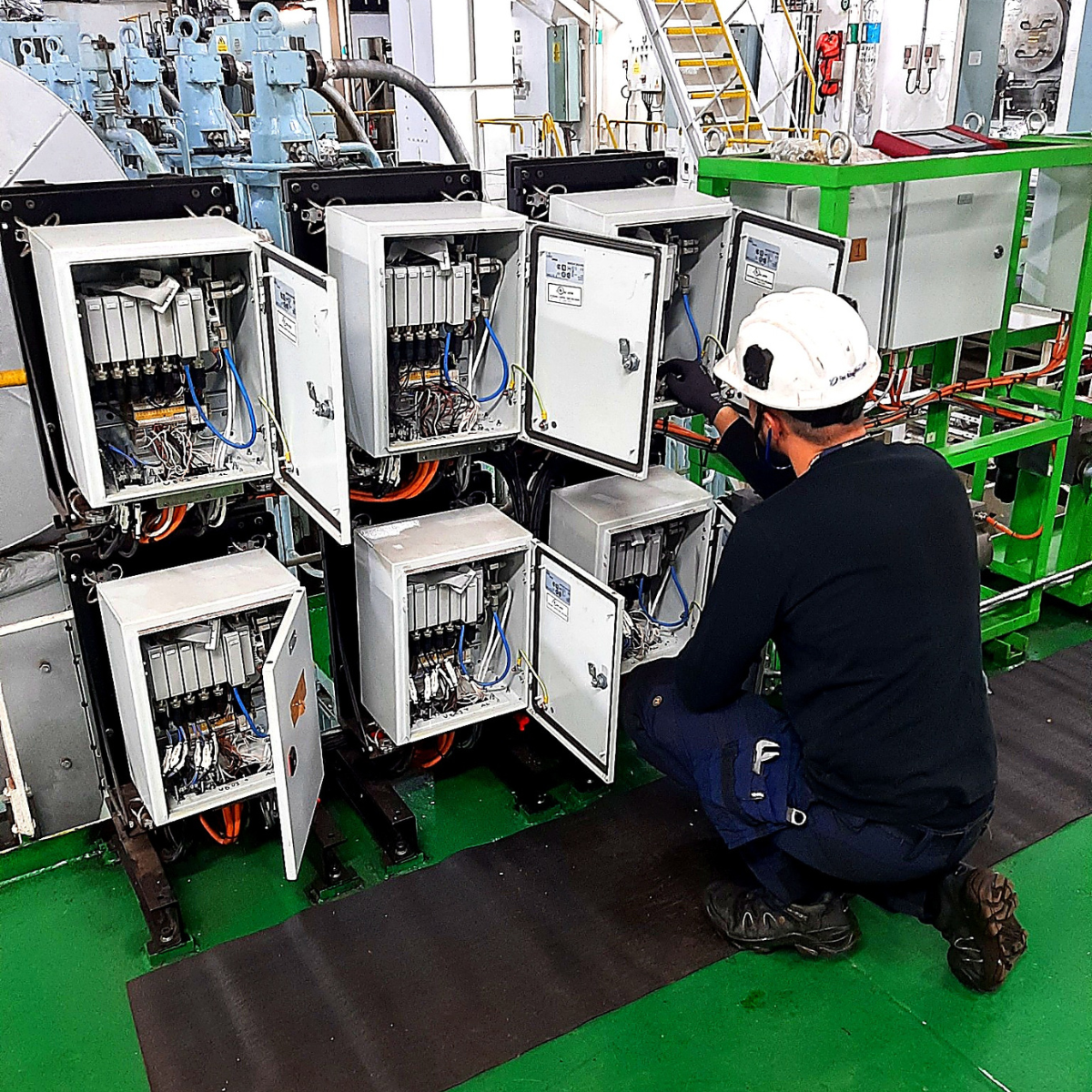
Case study smartlube 4.0 comissioning
When a two-stroke engine onboard an in-service vessel was retrofitted with the fully electronic HJ Smartlube 4.0 cylinder lubrication system, the objective was clear: The installation was completed during scheduled port calls – without immobilising the vessel. This case highlights how structured commissioning and final system inspection ensure reliable performance after a retrofit installation. From Production in Denmark to Commissioning in… Read more
-
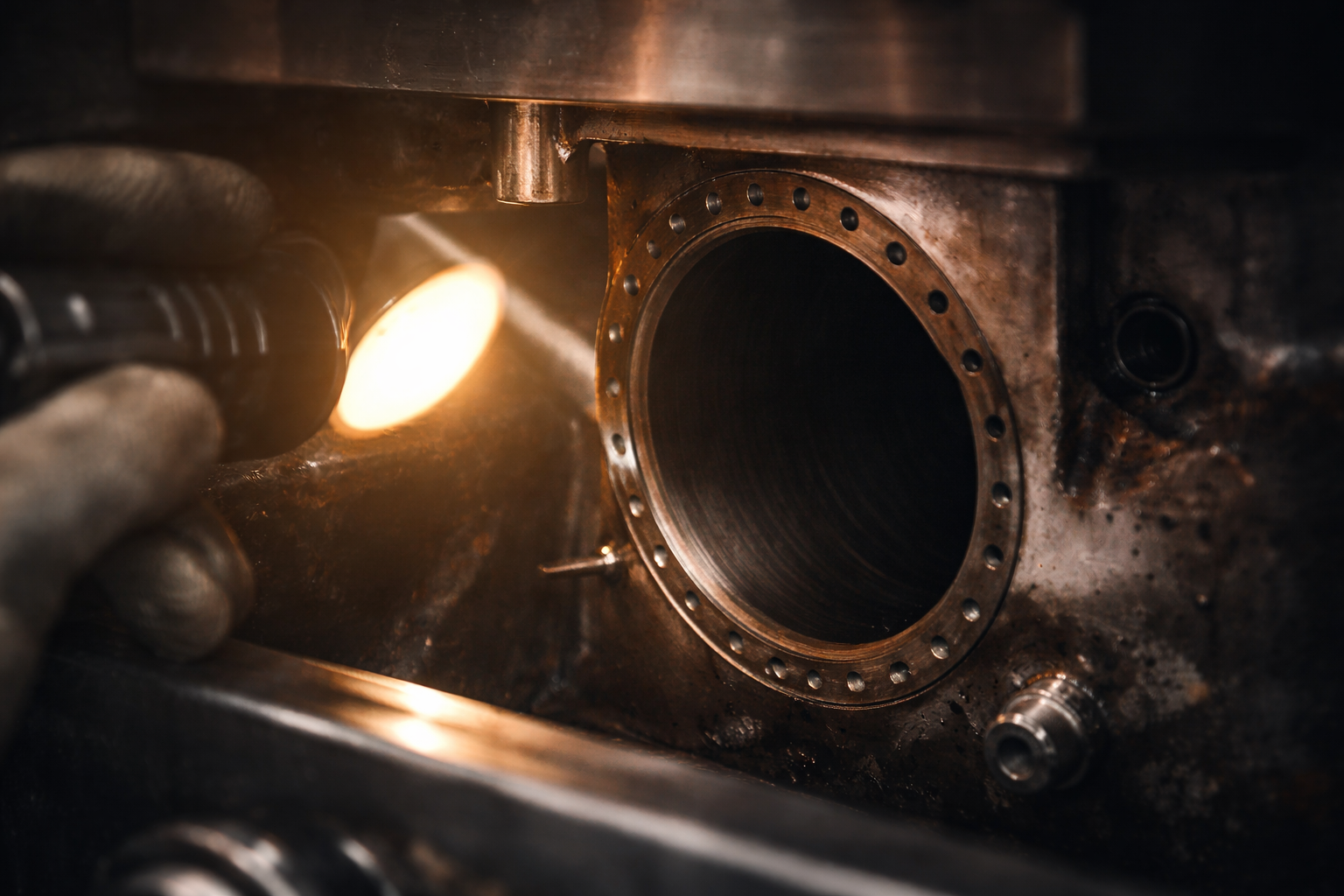
Optimising Cylinder Lubrication & Condition Monitoring in Modern Marine Engines
Summary As two-stroke marine engines operate under increasingly diverse conditions from a diverse range of fuel types to varying operating conditions and slow steaming, cylinder lubrication systems face new demands. This article outlines key lubrication principles, typical wear mechanisms, and the importance of matching oil feed strategies to evolving fuel and load profiles. It also presents how advanced systems such as HJ… Read more
-
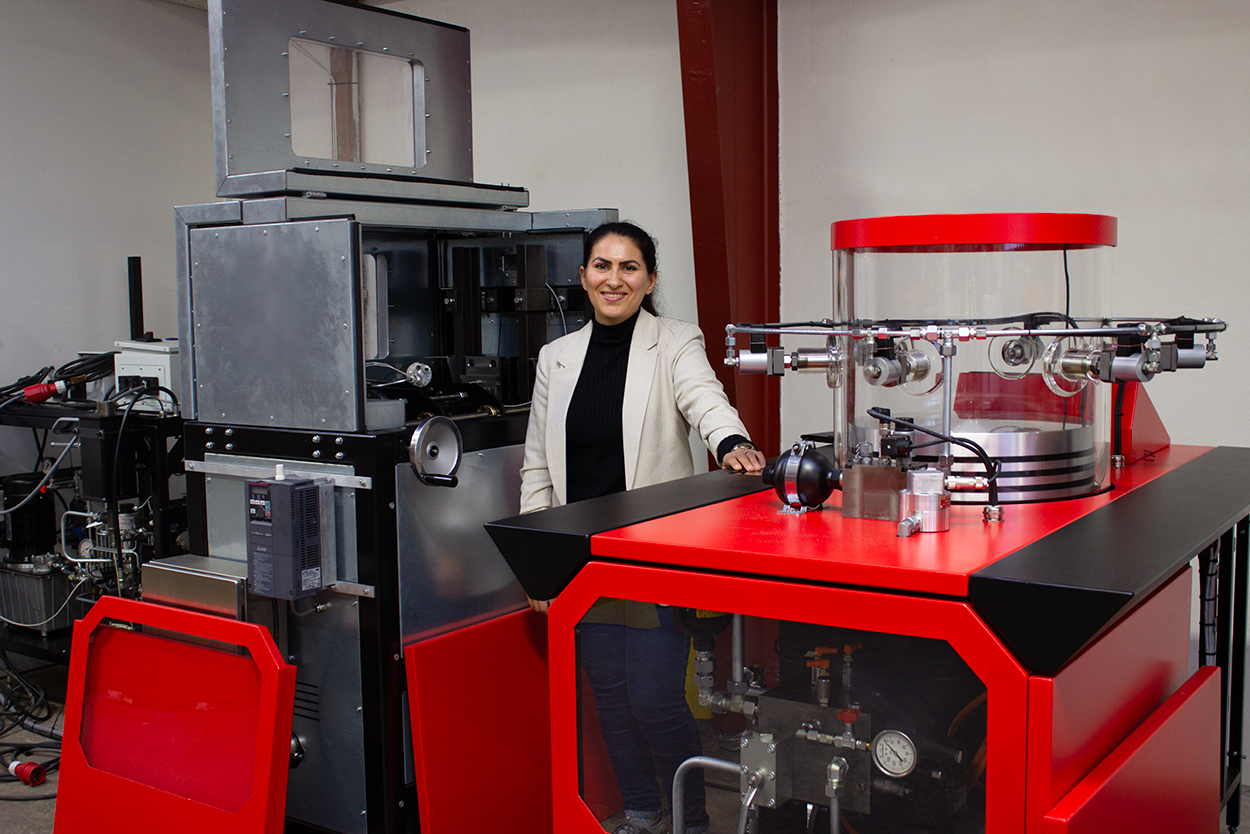
Smarter Cylinder Lubrication Starts with Simulation
Simulation meets practice Flora’s research investigates how lubrication and airflow interact in large two-stroke marine engines — a field where advanced simulation meets real-world engineering. Her two recent publications represent significant contributions to this area: the first analyses scavenging airflows using varied turbulence models, providing insights into airflow dynamics and oil–air interactions in full-scale two-stroke engines; the second computationally studies… Read more
-

HJ SIP+ – Retrofit Cylinder Lubrication System for Dual-Fuel Engines
Until now, installing SIP valves has required several days of immobilization or has been limited to installation during dry dock. Top cover removal and internal liner machining were unavoidable, making retrofits expensive and infrequent. With SIP+, preparation can be done while the vessel is at sea and the final installation conducted during a normal port… Read more
-
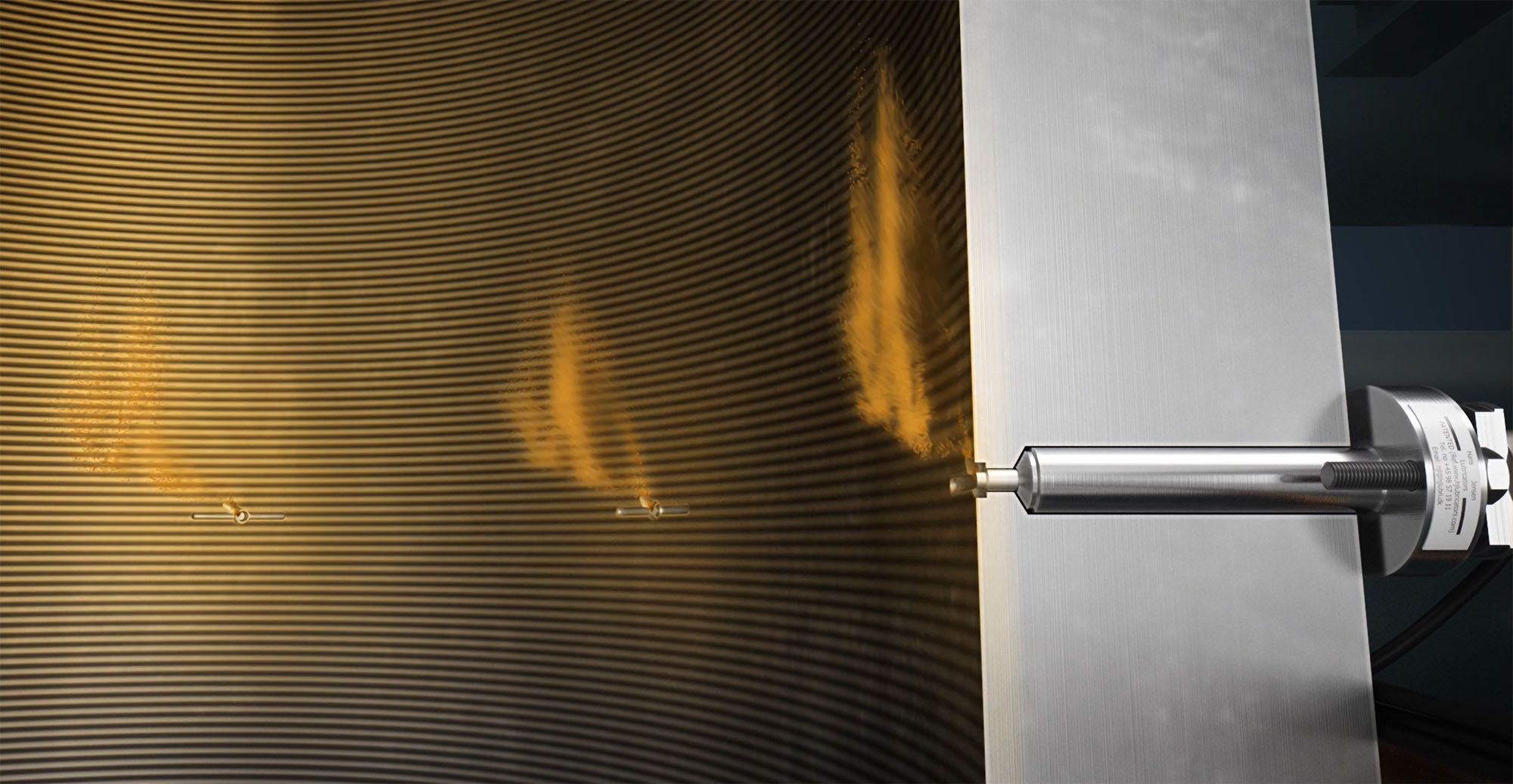
Product launch: SIP+ – faster retrofits, dual-fuel ready and cleaner operation
“SIP+ takes a proven technology and makes it easier and faster to install,” says Mark Kristensen, Head of Sales at HJ Lubricators. “We achieve the same optimal lubrication at low feed rates without machining inside the cylinder – saving both time and cost for shipowners.” Improved performance and lower emissions The SIP+ valve maintains all the… Read more
-
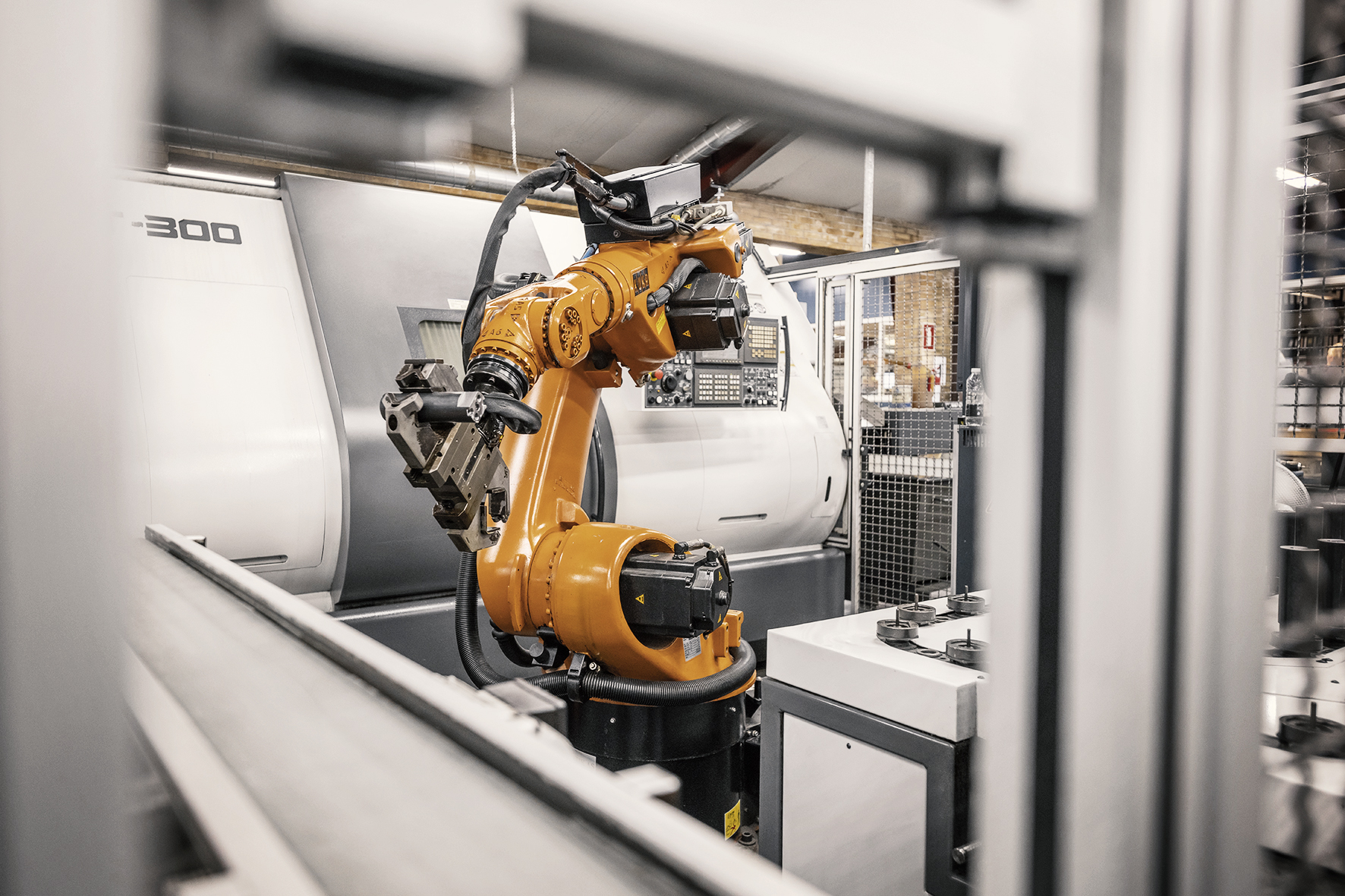
Redefining cylinder lubrication through innovation, service and partnership
HJ Lubricators is shaping a new standard for cylinder lubrication systems and services — designed to meet the complex demands of today’s marine industry. With a strengthened leadership team and the full backing of G&O Maritime Group, we deliver smarter solutions, faster response, and measurable value for our customers. Our focus is simple: optimise engine… Read more
-

How much could your vessel save on cylinder lube oil?
Unlocking retrofit savings potential – one vessel at a time As pressure grows to reduce emissions and cut operational costs, many shipowners and operators are adopting smarter lubrication strategies. But while the advantages of modern cylinder lubrication systems are well known, the actual savings potential is often less clear. That’s why we’ve created a vessel-specific… Read more
-

Reducing CO₂ emissions: Why lubrication technology matters in the decarbonisation of shipping
The maritime industry’s path to decarbonisation is shaped by ambitious regulatory initiatives, such as the IMO’s 2050 net‑zero ambition and requirements like EEXI and CII. While shipowners evaluate fuel choices and optimised propulsion, one critical lever, a smarter approach to cylinder oil control, often receives less attention despite its strategic impact on emissions and cost.… Read more
-
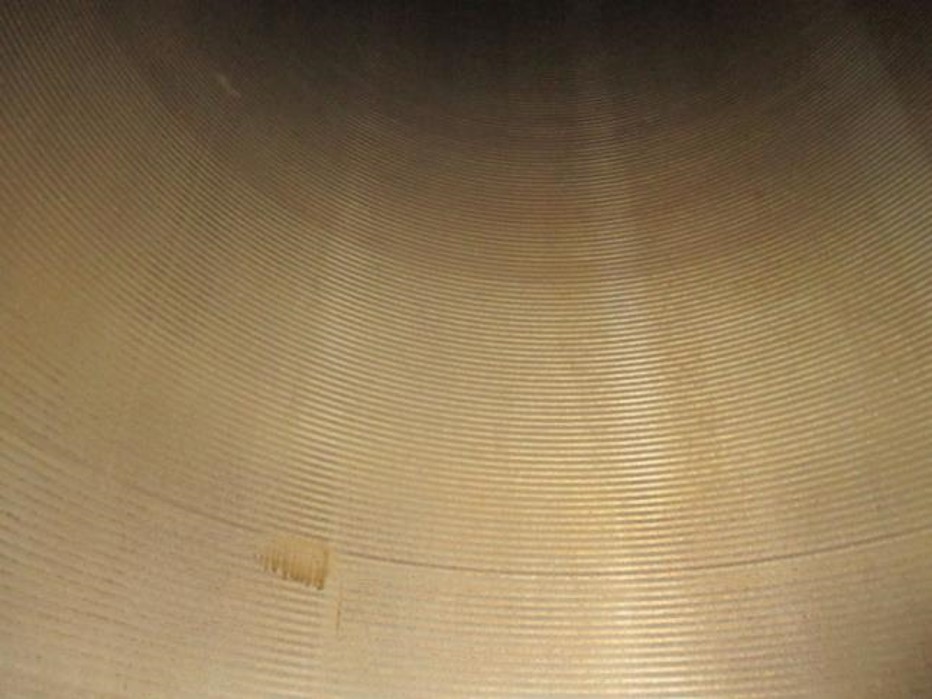
Cylinder Liners Explained: Essential Guide for Marine Engines
What is a cylinder liner? A guide for shipowners, operators, and marine engineers For shipowners, operators and marine engineers, understanding the function of cylinder liner within large marine engines is crucial for maintaining efficiency, reliability, and compliance in today’s maritime industry. In this article, we explore precisely what is cylinder liner, its importance in two-stroke… Read more
-
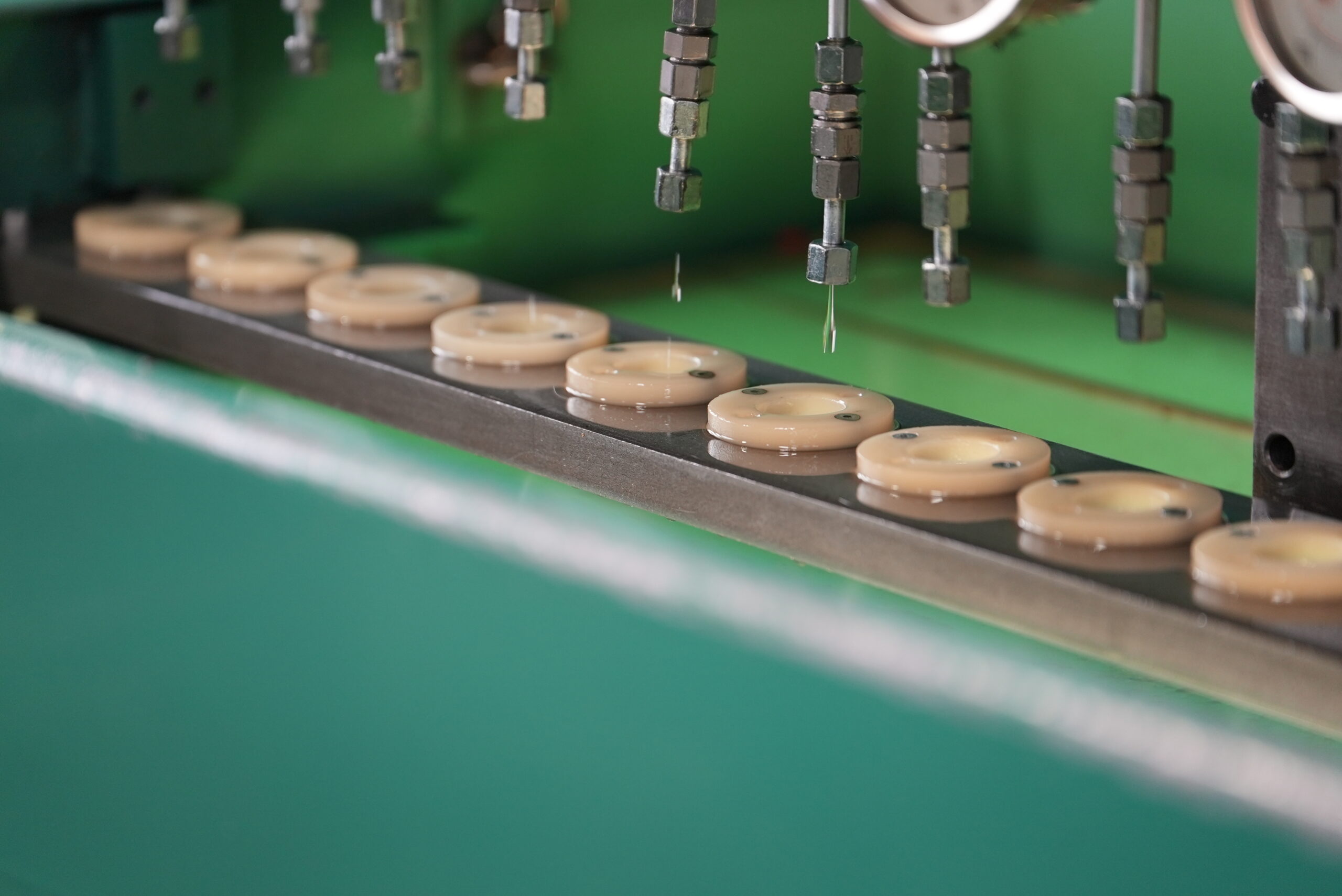
Cylinder Lubrication Systems: Boost Performance & Compliance
Efficient cylinder lubrication is vital for the reliable operation of marine engines, supporting operational efficiency, emission reduction, and the prevention of costly wear such as scuffing. HJ Lubricators recommends integrating robust cylinder lubrication systems as part of a vessel’s holistic approach to engine care, particularly where maximising uptime and meeting stringent IMO emission requirements are… Read more
-

Enhancing marine engine performance with advanced CFD modelling
In two-stroke marine engines, scavenging air isn’t just for clearing combustion gases—it plays a crucial role in oil distribution. The swirling air helps to disperse lubricant evenly across the cylinder liner. But achieving this balance is complex, especially under varying load conditions. Poor scavenging leads to localised wear, excess oil consumption, and higher emissions. By… Read more
-
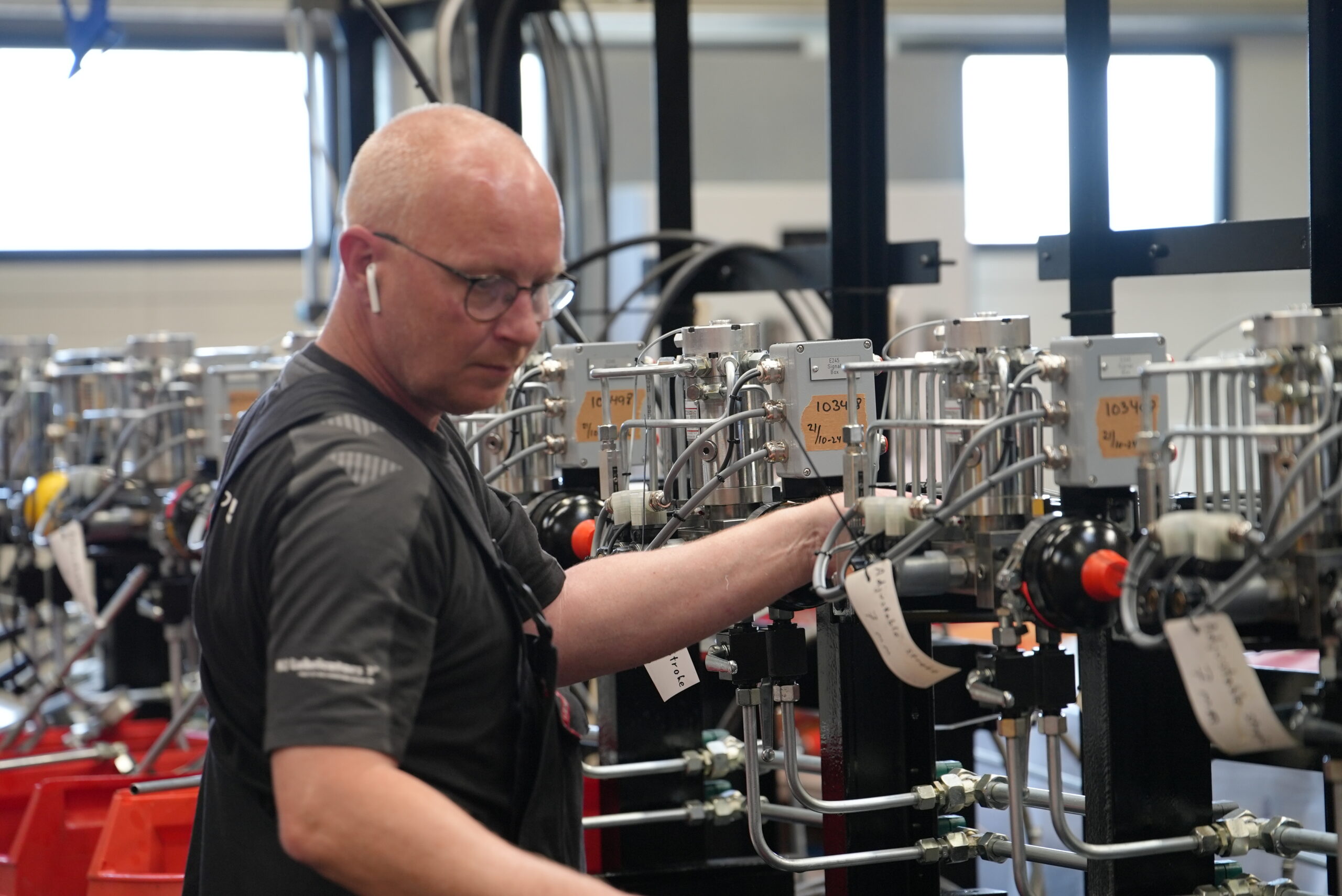
Oil Consumption Calculator for Shipowners
How much cylinder oil are you wasting? Use our oil consumption calculator to find out Excessive cylinder oil consumption remains a significant operational and cost challenge for shipowners and operators. With stricter IMO regulations and growing attention to sustainability and cost efficiency, monitoring and optimising oil usage is more important than ever. At HJ Lubricators,… Read more
-
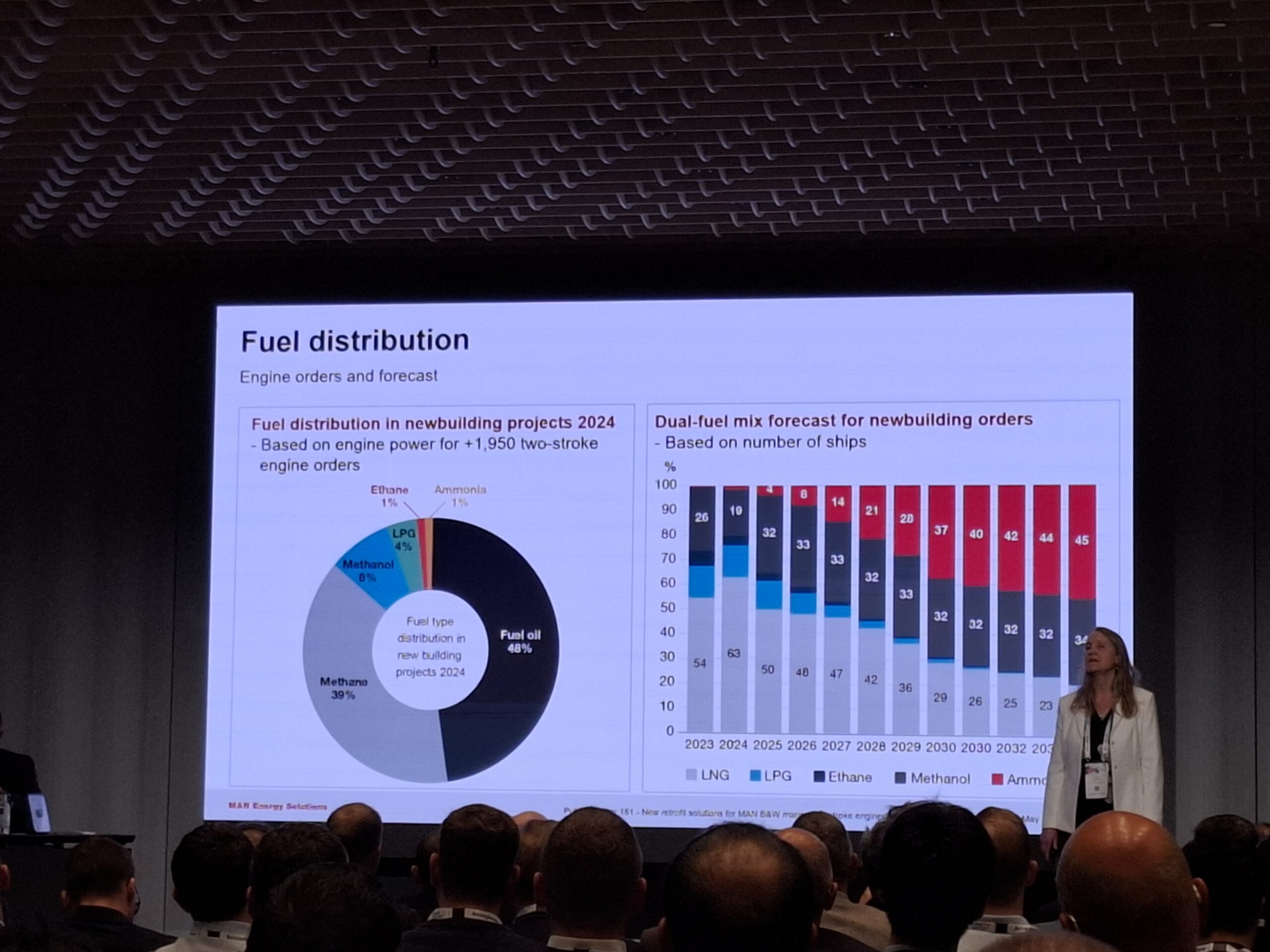
Insights from CIMAC 2025: Preparing Cylinder Lubrication for the Green Transition
HJ Lubricators at the Forefront of Future Fuels and Engine Lubrication From 19–23 May 2025, HJ Lubricators participated in the CIMAC Congress in Zurich, one of the world’s most important gatherings for experts in large engine technology and propulsion systems. With over 200 technical presentations, the congress showcased the latest developments in alternative fuels, digitalisation,… Read more
-
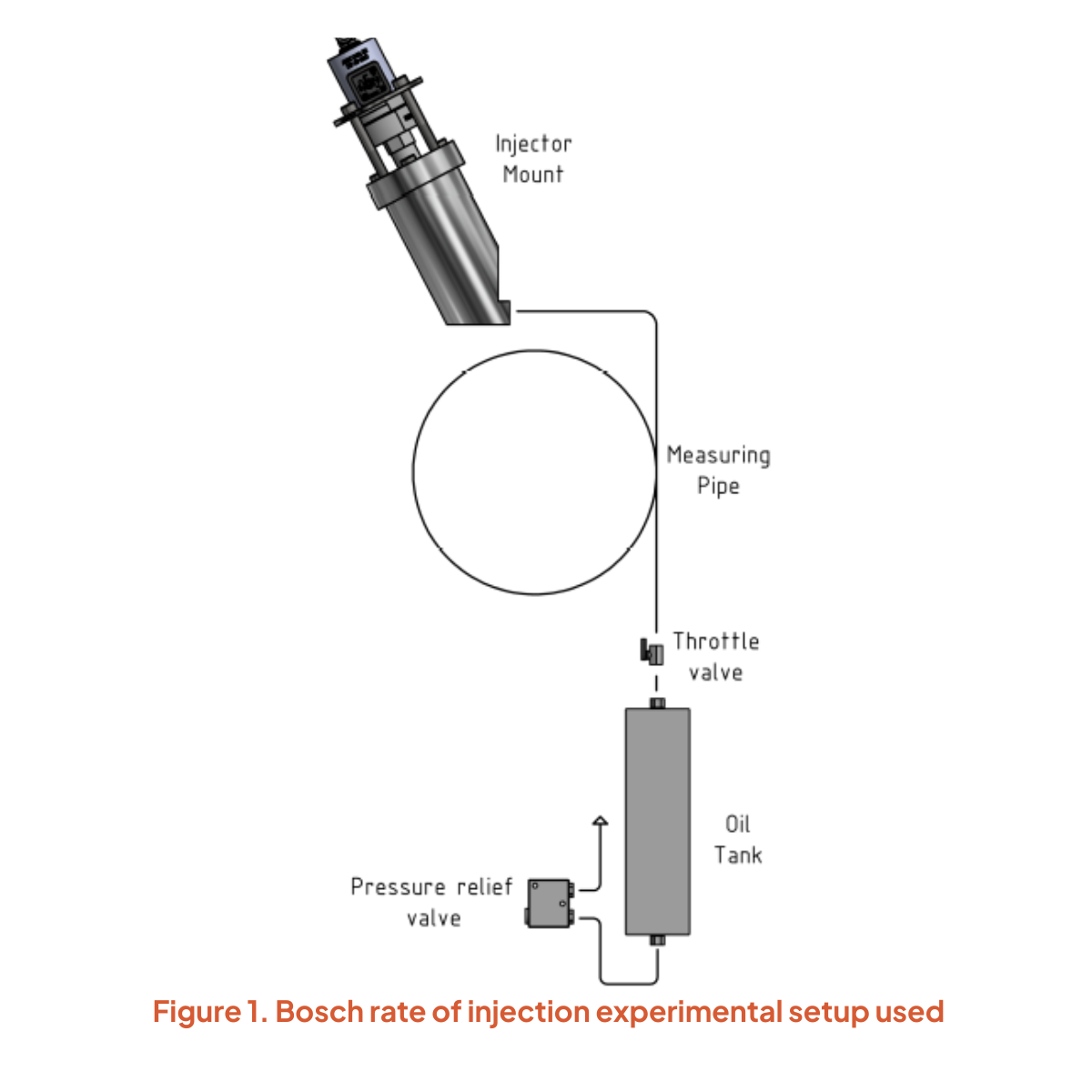
White paper: Injection rate of cylinder lubrication oil in large two-stroke marine diesel engines using a common rail lubrication system
Precision in lubrication is essential to meet future environmental and operational targets Cylinder lubrication plays a critical role in marine engine efficiency, emissions, and component longevity. This paper explores the capabilities of an electronically controlled, common rail-based lubrication system using the Swirl Injection Principle (SIP). Based on experimental research conducted by Aalborg University and HJ… Read more
-
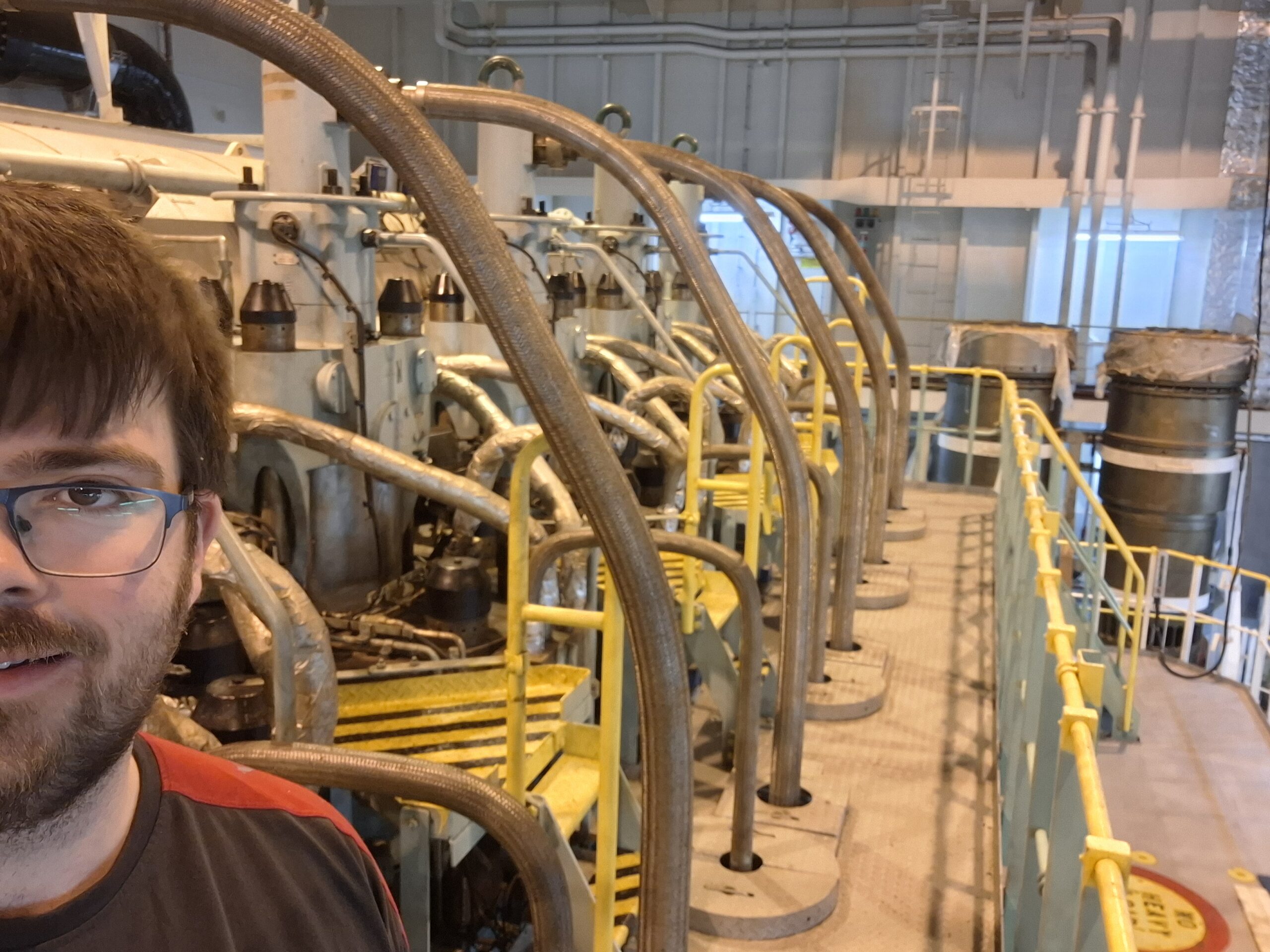
From graduate to PhD student: a journey of responsibility and innovation at HJ Lubricators
From graduate to PhD student: a journey of responsibility and innovation at HJ Lubricators When Magnus Munk Jensen, a newly graduated engineer from Aalborg University, was looking for his first job, he chose HJ Lubricators. It turned out to be a time of great opportunities and responsibility from day one. In 2021, now 27-year-old Magnus… Read more
-
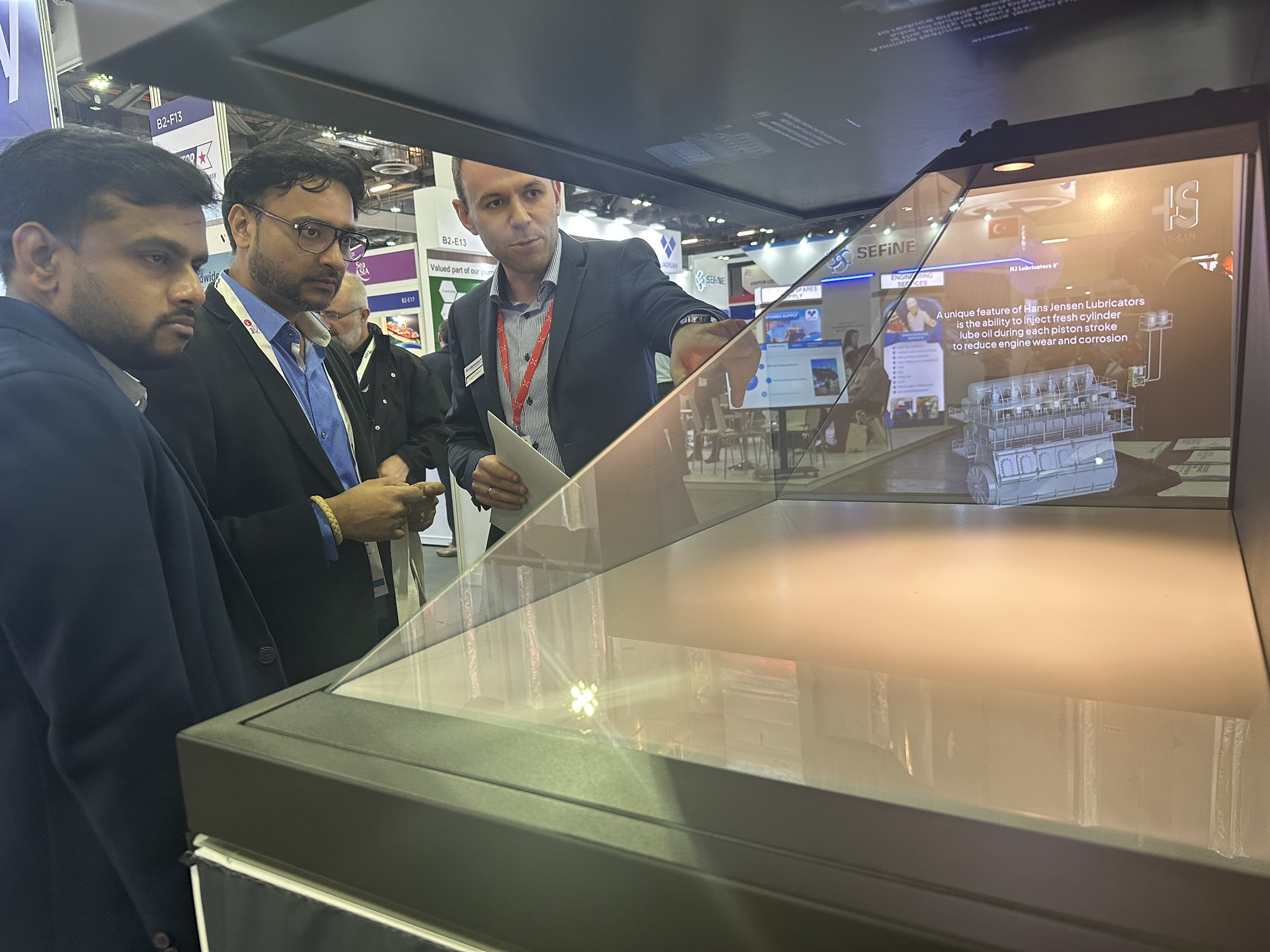
Building strong customer relationships
Building strong customer relationships In a rapidly evolving industry, strong customer relationships are more important than ever. HJ Lubricators recognises this and has made significant changes to its sales and key account management teams to better serve its clients. As we entered 2025, HJ Lubricators presented a new and stronger sales organisation with a range… Read more
-

HJ Lubricators to showcase smarter marine lubrication solutions at Sea Asia 2025
HJ Lubricators to showcase smarter marine lubrication solutions at Sea Asia 2025 As the maritime industry shifts towards decarbonisation, dual-fuel engines, and slow steaming operations, HJ Lubricators, a division of G&O Maritime Group, is at the forefront, providing innovative lubrication solutions tailored to these emerging trends. Decarbonisation poses a major challenge for the maritime sector,… Read more
-
Optimising Lubrication and Scavenging Dynamics: Insights from Advanced CFD Modelling
Optimising Lubrication and Scavenging Dynamics: Insights from Advanced CFD Modelling Introduction: The maritime industry is under increasing pressure to optimise engine performance, reduce emissions, and comply with ever-tightening IMO regulations. HJ Lubricators (HJL) stands at the forefront of innovation, constantly evolving to meet these challenges. This whitepaper delves into a recent study that employs advanced… Read more
-
New Agency Agreement Signed at Expomaritt Exposhipping İstanbul
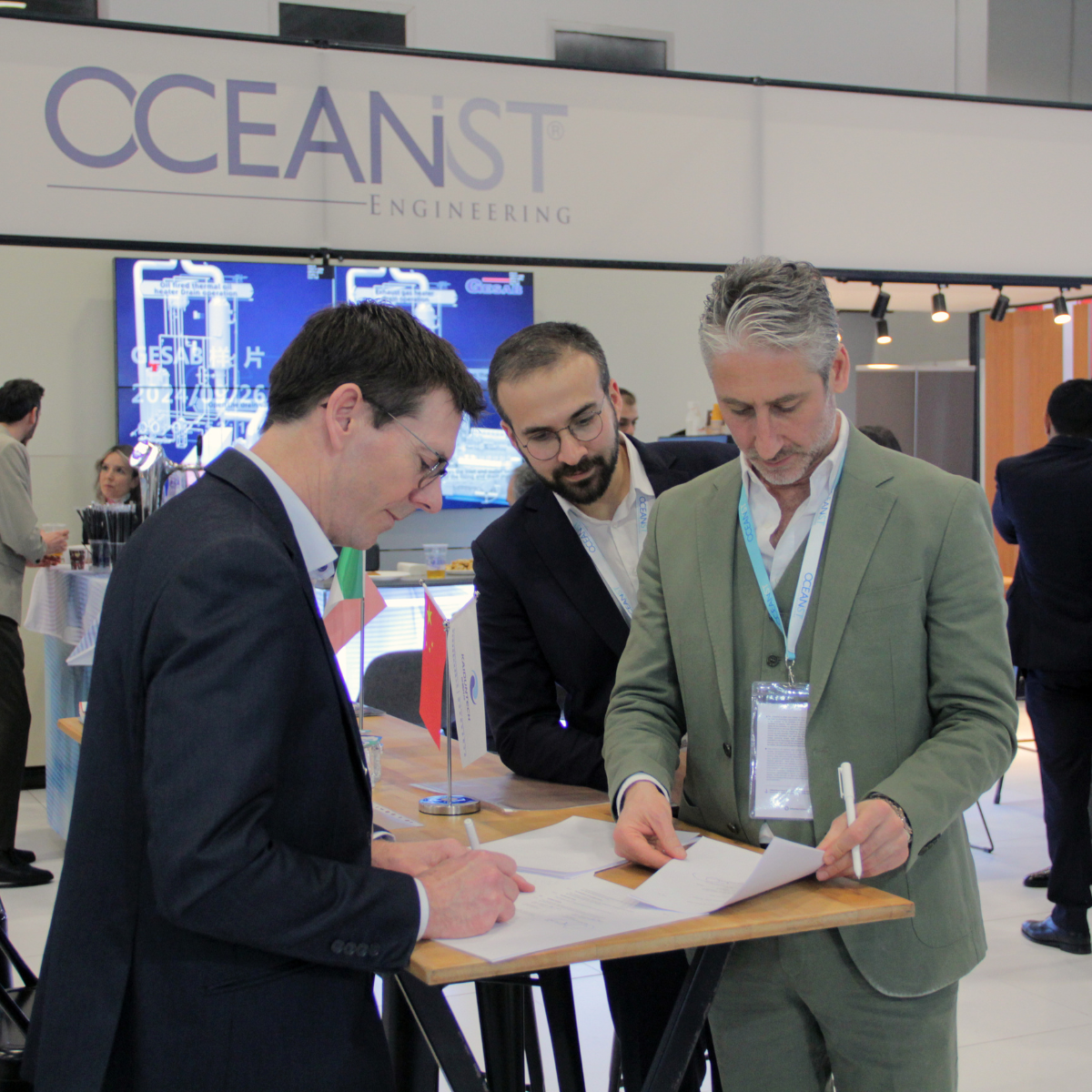
We are proud to announce that HJ Lubricators A/S has officially entered into an agency agreement with OCEANiST ENGINEERING, a leading provider of marine and offshore solutions in Turkey. The agreement was signed at Expomaritt, marking an important step in strengthening our presence in the Turkish maritime sector. With this collaboration, Mark Kristensen, Head of… Read more
-

Proactive support as a key differentiator
Proactive support as a key differentiator Service is the backbone of HJ Lubricators’ strategy for 2025. With a clear focus on proactive customer support, the company is reshaping its after-sales operations to ensure maximum uptime for its customers. In a sector where the distance between product buyers and end users can be significant, HJ Lubricators… Read more
-

A New strategy for HJ Lubricators: Customer-centric solutions
A New strategy for HJ Lubricators: Customer-centric solutions HJ Lubricators is entering an exciting new chapter, driven by a fresh brand identity and a renewed commitment to delivering customer-centric solutions. As the leading provider of cylinder lubrication systems for two-stroke marine engines, HJ Lubricators aims to redefine how it engages with shipowners and shipyards. With… Read more
-

Welcome to a New Era for HJ Lubricators
NEWS Dear Customers and Business Partners. Welcome to a New Era for HJ Lubricators As we step into 2025, we are excited to share a significant milestone for our company – we are proud to unveil our new brand identity: HJ Lubricators. This new identity builds on the strong foundations we have established over decades.… Read more
-

Training and Knowledge-Sharing at Hans Jensen Lubricators
NEWS Last week we had the pleasure of hosting a team from M.I.E. for two days of intensive and successful agent training, led by our Head of R&D, Nikolaj Kristensen. With updated knowledge and new tools, M.I.E. is now even better equipped to represent Hans Jensen Lubricators in both Cyprus and the UAE. It was… Read more
-

Strengthening Customer Focus and Long-Term Value
NEWS We are pleased to introduce our new Key Account Manager (KAM), Andreas Bograd, who will be a central part of our strategy to strengthen and develop our customer relationships. As KAM, Andreas will serve as the customer’s primary point of contact with HJL, drawing on resources from across the organisation to ensure the best… Read more
-
A partnership for efficient marine engine cylinder lubrication and operational stability
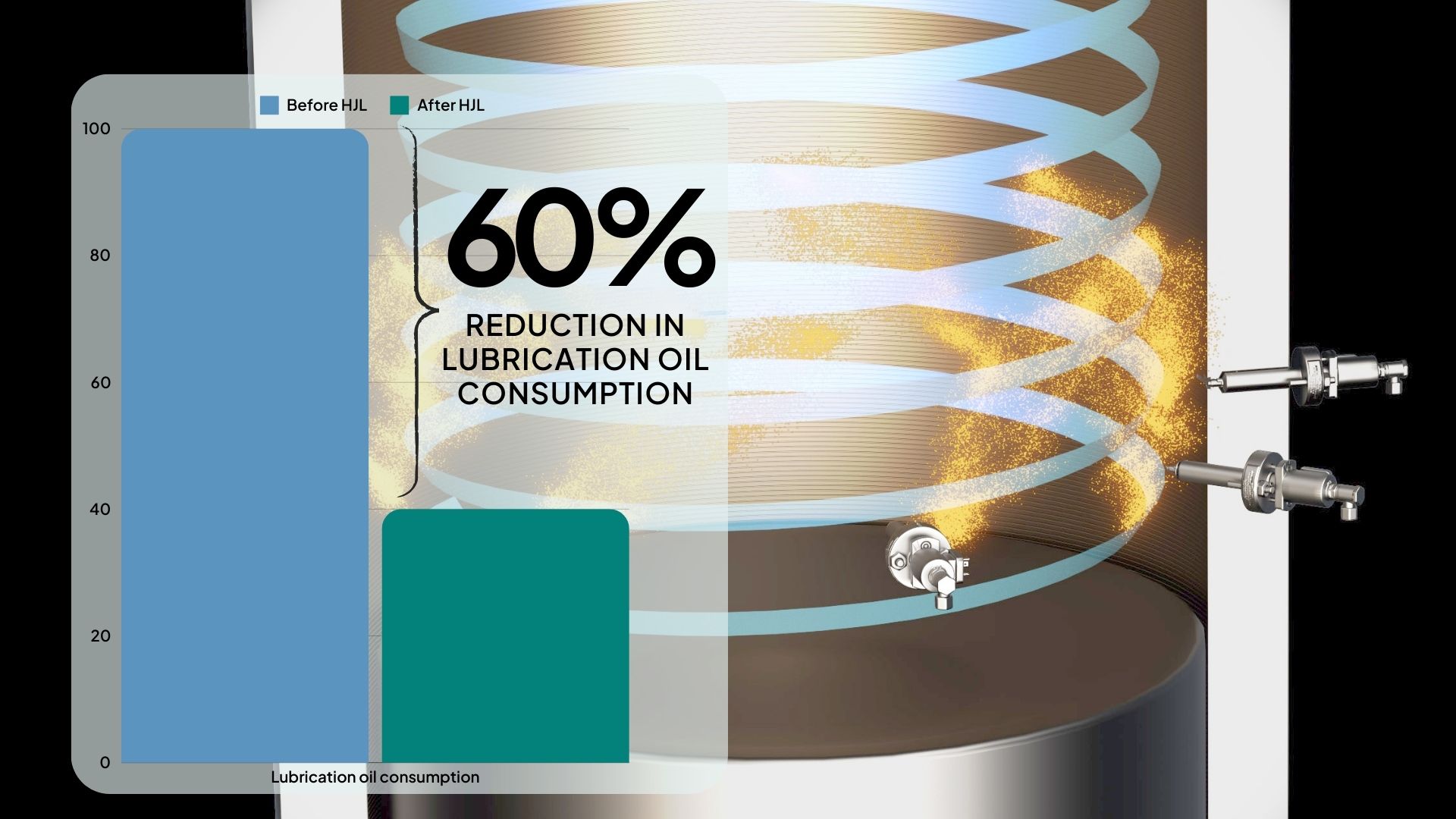
The maritime industry is facing unpredictable engine performance as the transition to low-sulfur fuels and the trend toward slow steaming introduce unforeseen wear on critical components. Engines running at lower RPMs face unique challenges, further complicating the situation. The solution lies in advanced lubrication and monitoring systems, which provide precise control over cylinder and piston… Read more
-

Reducing CO2 emissions
ARTICLE Reducing CO2 emissions across operations is a clear goal for many businesses today. The climate is changing, and this is having significant and visible effects on nature, animal life and humanity. Although shipping is the most energy-efficient method for moving cargo over long distances, the sheer size of the industry means that marine vessels… Read more
-

SERVICE LETTER: HJ Smartlube 4.0 – software update 24.05
RELEVANT TO: All users of HJ Smartlube June 2024 Software update 24.05 Update your cylinder lubrication system with the latest software for improved user experience and bug fixes. User experience We have optimised the back end of the system so users get immediate response using the HMI. The feed rate graph on the Home page… Read more
-
Cylinder wear in two-stroke marine engines
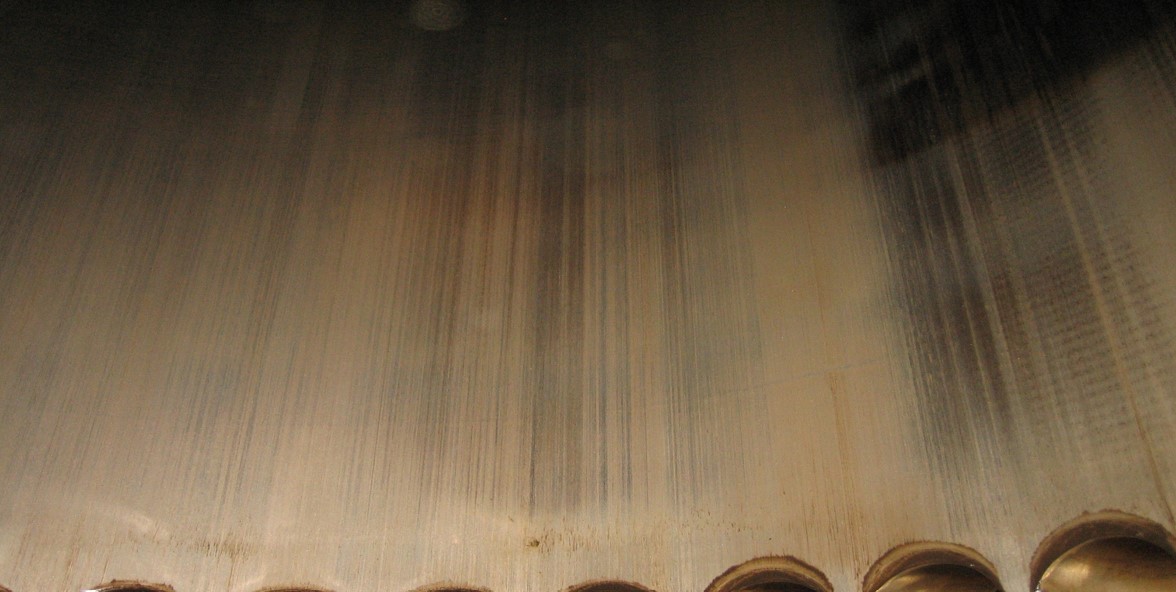
Efficient cylinder lubrication does not eliminate the wear of liners and piston rings completely. The goal is to control the cylinder wear rate and keep it on a normal level and to prevent other harmful types of wear. Cylinder wear in two-stroke marine engines refers to the gradual deterioration of the inner surface of the… Read more
-
SERVICE LETTER: HJ Smartlube 4.0 – software update
RELEVANT TO: All users of HJ Smartlube lubricators September 2023 Software update 23.07 Update your system with the latest software for improved user experience, better system overview and added log-in security. Improved usability and system overview We have made several improvements to the user interface and features of our most advanced lubrication system, HJ Smartlube… Read more
-
BLOG-POST:5 facts about advanced cylinder lubrication technology
1. What is the purpose of lubrication technology for marine engines? Lubrication technology for two-stroke marine engines involves the use of advanced lubrication systems to reduce friction between cylinder liner and piston rings by forming a thin and even oil film. Furthermore, lubrication prevents wear of liner and piston rings, neutralises sulphuric acids, keeps the… Read more
-
BLOG-POST: Reduce the risk of scuffing in cylinder liners
Scuffing in cylinder liners is a serious risk for marine vessels that might lead to costly engine repairs and prolonged downtime. By understanding the causes, you can take preventive measures to reduce the risk of scuffing and ensure optimal engine performance, reliability, and longevity. With the right knowledge and precautions, you can protect your engine… Read more
-
Keep your two-stroke marine engine running efficiently
The maritime industry relies heavily on two-stroke marine engines to power the vessels. These engines are highly efficient. However, they require proper lubrication to function at their best. Lubrication is an essential component of any engine, and it is especially critical for two-stroke marine engines. The right lubricant and lubrication system help to reduce friction,… Read more
-

BLOG-POST: Improve cylinder condition through effective lubrication
Cylinder condition is a critical factor that affects the performance and longevity of marine engines. Proper lubrication is essential to ensure optimal cylinder condition and prevent wear and damage. But exactly how much cylinder wear is acceptable – and how can you stay within safe limits? In this blog post, you can learn more about… Read more
-

BLOG-POST: Reduce lube oil consumption and emissions
Marine vessels rely on lubricating oil to keep their engines running smoothly and efficiently. However, excessive lube oil consumption can lead to increased costs, decreased efficiency, and higher emissions. At Hans Jensen Lubricators, we understand the fine balance between reducing lube oil consumption while maintaining optimal engine performance. By reducing emissions and lube oil consumption,… Read more
-
SERVICE LETTER: Succeed with SIP
The purpose of this Service Letter is to guide the user in optimizing the cylinder oil feed rate, so the full saving potential and better cylinder condition made possible by the Hans Jensen’s Swirl Injection Principle (HJ SIP) valves Read more
-
SERVICE LETTER: HJ X-Tronic software
The main purpose of this update is to improve the support of your Hans Jensen lubrication system by introducing a log and to boost the user experience using graphs. Additionally, we have added flexible scheduling of the ACS feature and renewed passwords for improved login security. Read more
-
SERVICE LETTER: Changing to HJ Non-return valves
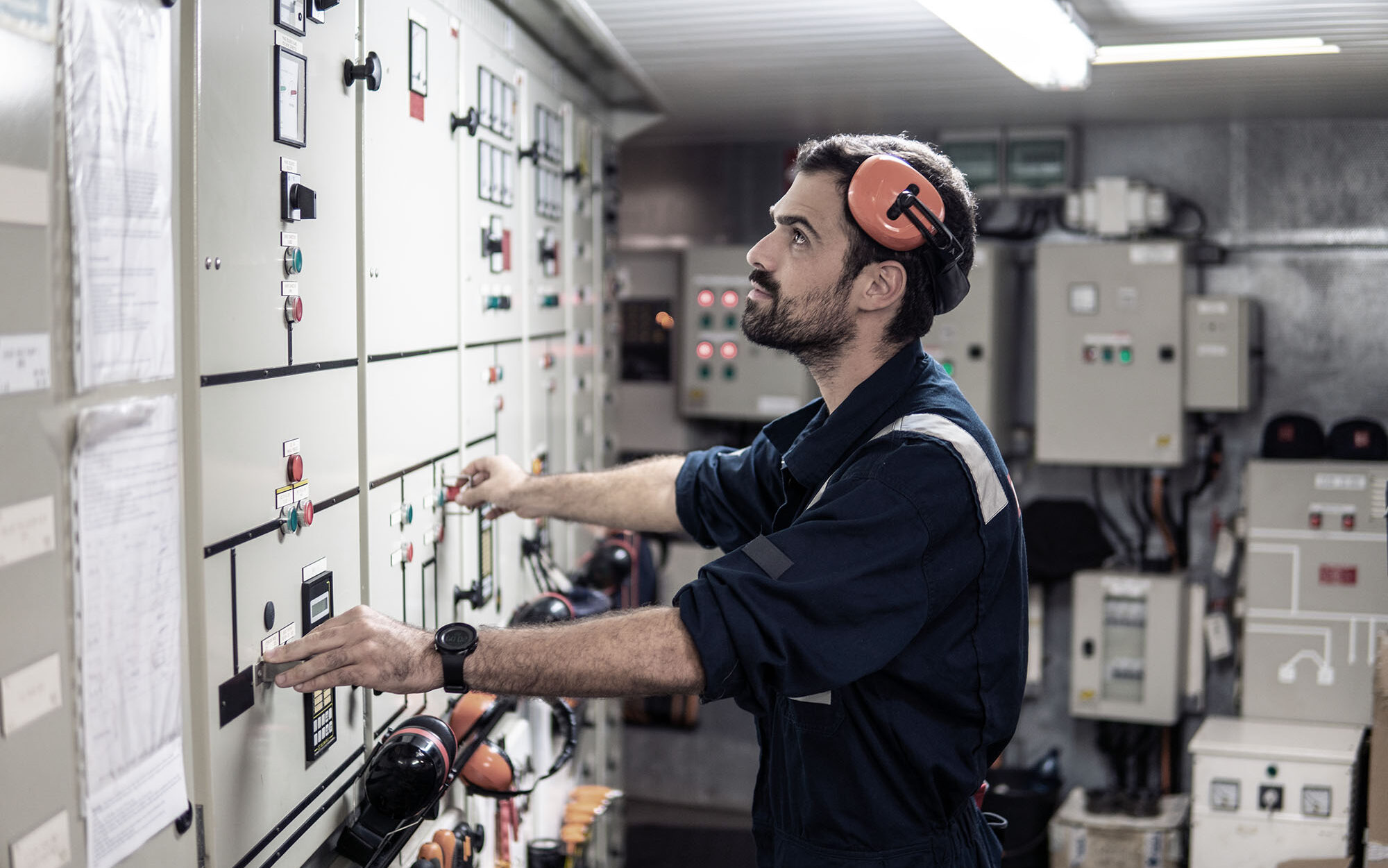
This Service Letter describes the benefits of the HJ non-return injection valves compared to standard non-return injection valve. With HJ non-return injection valves optimum design and quality is ensured. Read more
-
SERVICE INFORMATION: Lacquering
Lacquering occurs on areas of the cylinder wall, which at a previous point has been exposed to additional corrosive wear causing the area to be slightly retracted from the running surface which is in contact with the piston rings. Read more here. Read more
-

BLOG-POST: Minimising lubrication feed rate: 3 reasons why less is more
In the world of marine vessels, flexible cylinder lubrication is essential for ensuring the longevity and efficiency of the engine. However, excessive lubrication can lead to a range of problems, subsequently increasing maintenance costs, lower performance, and environmental concerns. That’s why it’s important to pay attention to lubrication feed rate, and take steps to minimise… Read more
-

EEXI challenges cylinder condition
There is a clear connection between low load operations and an increased risk of deteriorated cylinder condition. Our engineers see a hidden risk inside the engine. Read more
-

NEWS: HJL joins G&O Maritime Group
Hans Jensen Lubricators has joined G&O Maritime Group to strenghten further development and growth. Read more
-
Greater flexibility in cylinder lubrication
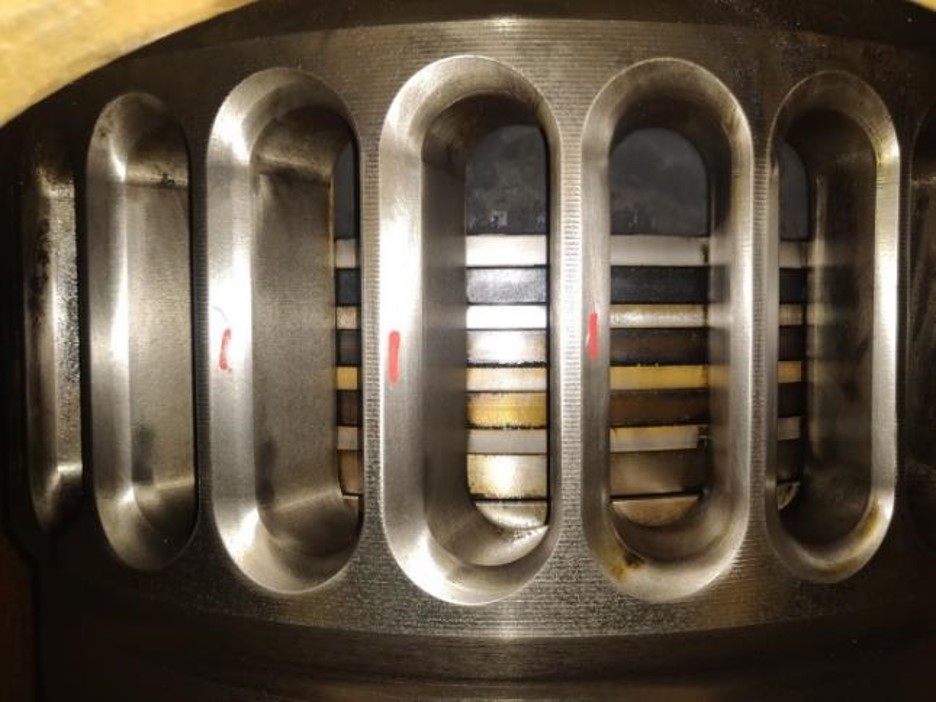
The shipping industry’s ambitions for reducing CO2 emission are likely to follow several technological pathways, so a more flexible and modular lubrication system is now available, says Dr Rathesan Ravendran. Read more
-
LP Fleet owner
Fleet owners can optimize OPEX and prepare for green fuels by using Hans Jensen lubricators. Read more
-
Case aet: Reducing feed rate by 32%
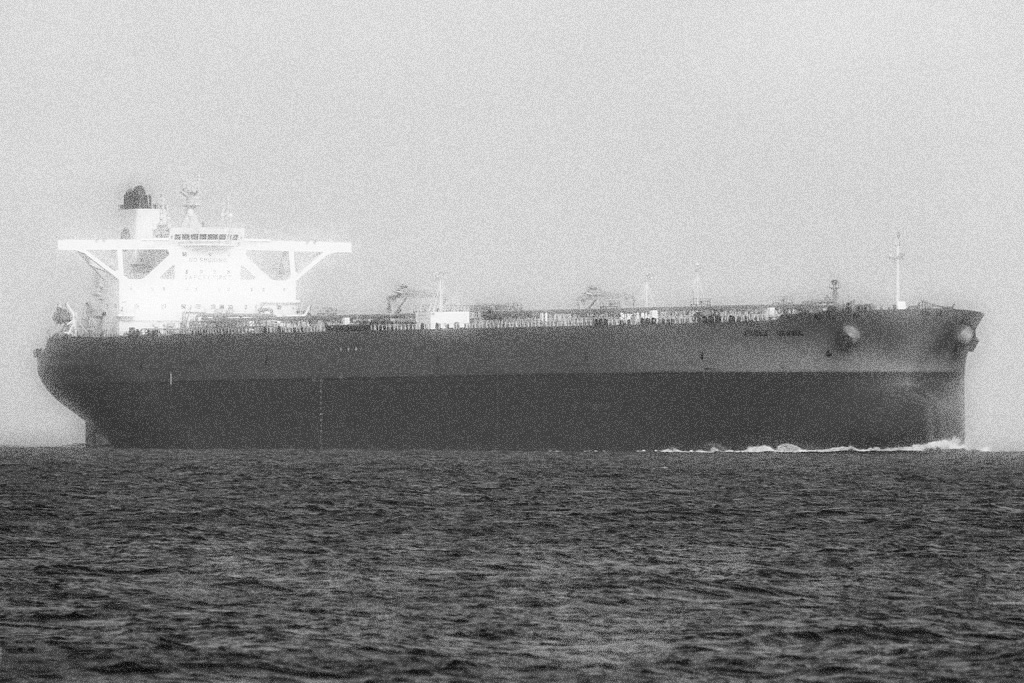
The marine vessel Eagle Varna was experiencing a high feed rate of the cylinder lube oil. Hans Jensen installed HJ SIP valves on MAN Alpha, which resulted in a significant reduction of cylinder lube oil consumption. 7S80MC-C Read more
-
Case Hafnia: TRIPLING LINER LIFE TIME
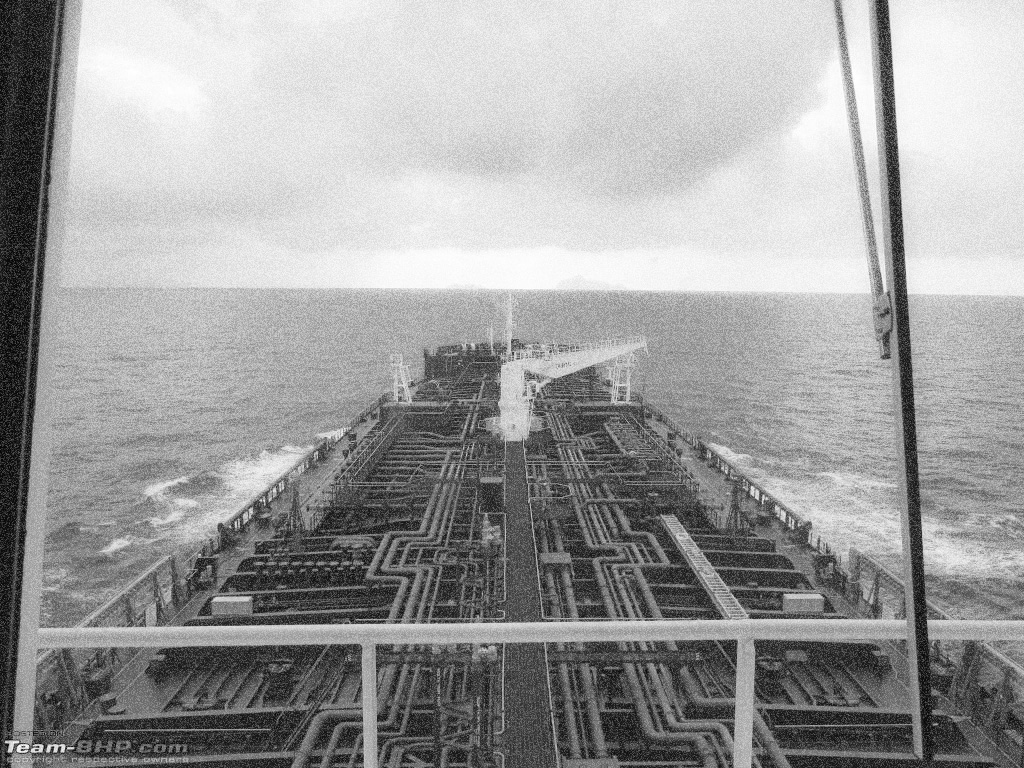
Hafnia, member of BW Group, upgraded the engine’s cylinder lubrication system onboard their Medium Range Product Tanker, “BW Egret” (6S50ME-B) in January of 2020. The lubrication system was upgraded, as the liners had a wear rate that exceeded the maximum allowable limit. Read more
-
LP Technical Managers
50 % AVG. REDUCTION OF CLOC USD 50,000 AVG. ANNUAL SAVINGS PER VESSEL 12-24 MO. AVG. RETURN ON INVESTMENT GROW YOUR SERVICE BUSINESS Cylinder lubricaton for every engine HJ Lubricators is the leading provider of cylinder lubrication systems for 2-stroke marine engines. We’re the only supplier of cylinder lubricators to both MAN, J-Eng (MHI) and… Read more
-
Case: K Line slices feed rate by 55%
”K” Line Bulk Shipping chose Hans Jensen Lubricator’s solutions for 10 sister vessels and reduced lube oil consumption by 55% Read more