
Case study: Retrofitting lubrication systems to extend operational lifetime of 4-stroke vessels
For operators of older ferries, technical upgrades are rarely about introducing something new for its own sake. More often, they begin with a practical problem: a critical system can no longer be maintained, while the vessel itself still has years of service left.
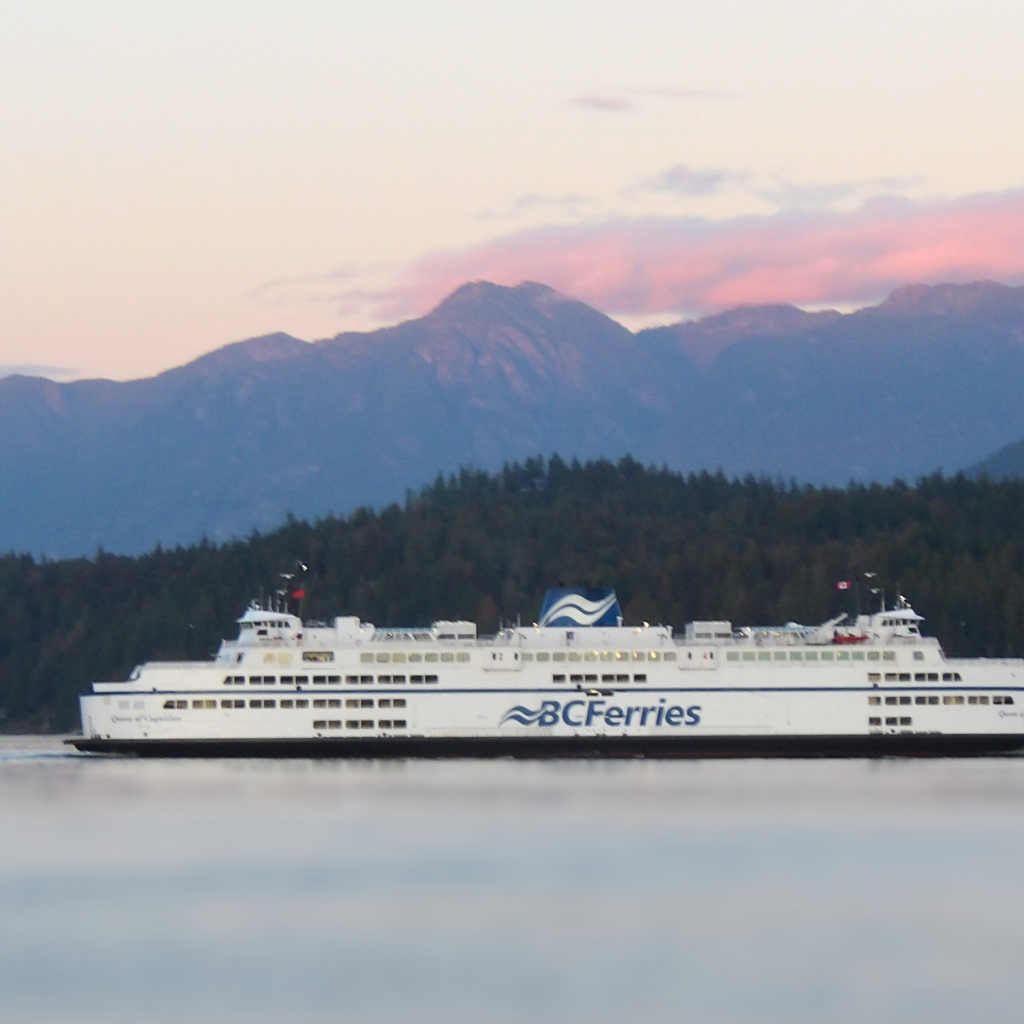
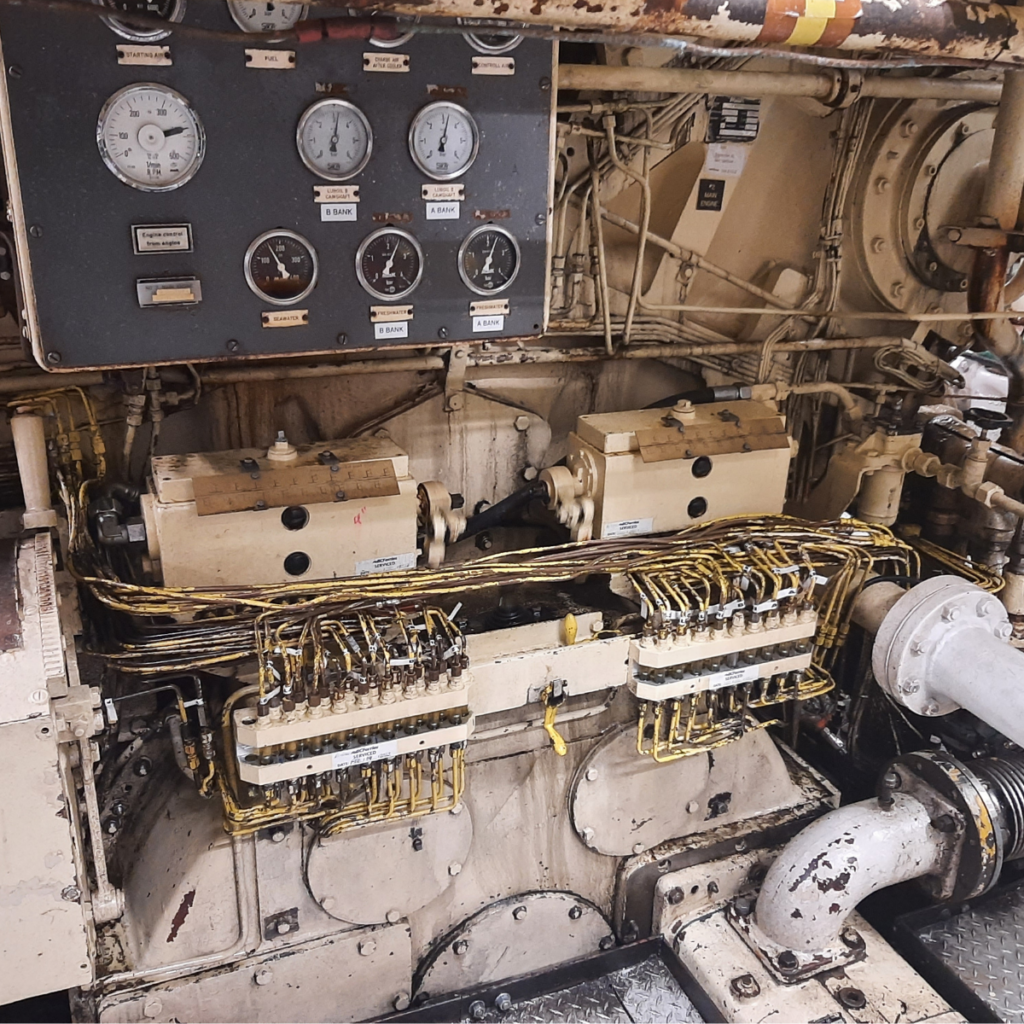
That was the situation facing BC Ferries in Canada. Several ferries in daily operation still relied on original lubrication systems that could no longer be properly supported with spare parts. Replacing the vessels was not an immediate option, so the task was to find a new lubrication solution that could fit existing ships and keep them in service.
For HJ Lubricators, the case also stood out because it was outside the company’s usual core area. HJ is best known for cylinder lubrication systems for large 2-stroke engines. In this case, however, the task was to develop a solution for 4-stroke ferry engines on vessels that had already seen decades of operation.
“The important thing for them was that they could sail the hours they needed to sail,” says Kenneth Lemming, Technical Support at HJ Lubricators. “Whether they used a little more or a little less lubrication oil was not really the main issue. The key issue was simply that the engines had to keep running and the ferries had to stay in operation.”
From a simple replacement to a more developed solution
The starting point was relatively simple. The customer needed a replacement for an ageing mechanical system. But as the project progressed, it became clear that a straightforward one-to-one substitution would not be enough.
“What they really wanted at first was just something that could replace the old mechanical apparatus,” Kenneth Lemming says. “That was the basic idea: keep it simple. But then the project developed step by step. First there were relays, then a PLC, then an HMI, and suddenly they had moved into something much more modern than what they originally asked for.”
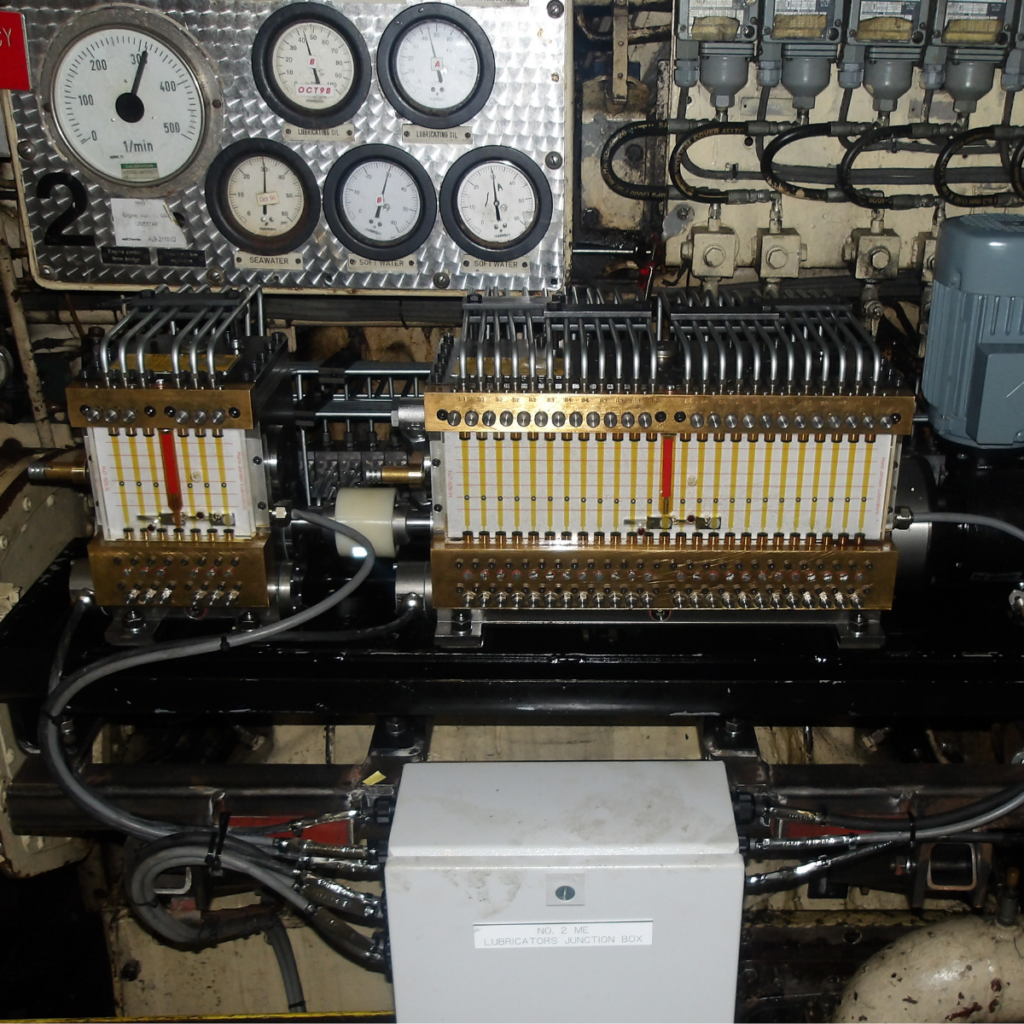
The challenge was not lubrication itself but adapting the control system to the operating pattern of the ferries. An early relay-based setup could be made to work, but frequent switching between operating conditions causes too much wear. HJ therefore moved to a PLC-based control solution, adapted from experience with other lubrication systems. That made it possible to regulate lubrication more reliably in relation to engine speed, while also giving the crew better visibility through the control interface. What began as a replacement project gradually became a more complete system combining mechanical lubrication equipment with electronic control and monitoring.
Developed around the vessel and the crew
Just as important, the solution had to be developed around the vessel rather than taken from a standard package. Layout, mounting positions, access, piping, control cabinet placement and crew routines all had to be considered before the final setup could be defined.
For HJ Lubricators, that meant the project became a practical development task as much as an installation job. Measurements had to be taken on board, the engine room had to be assessed, and the final setup had to reflect both the technical conditions and the day-to-day reality of the crew.
“If something is easy, it gets done. If something is awkward, it often gets left,” Kenneth Lemming says. “So, it is not only about the technical principle. It is also about how the system is placed, how accessible it is and how easy it is for the crew to work with on a day-to-day basis.”
That practical perspective also shaped the final system. The customer had initially asked for something simple, but once the control philosophy was adapted to the ferries’ operating pattern, additional features such as HMI visibility and better monitoring became a natural part of the solution.

Reliability first
For the customer, the value of the project was not primarily lower oil consumption or a more advanced control philosophy. It was reliability and the ability to get help if case of an issue on the lubrication system
“It was not really about proving a big saving on lubrication oil,” Kenneth Lemming says. “What mattered was that the ferries could keep operating. That was the real value of the system for the customer.”
That is also what makes the case relevant beyond a single fleet. Many older ferries remain in service longer than originally intended, and operators need solutions that are practical, maintainable and suited to the realities of existing vessels.
In this case, HJ Lubricators applied its specialist lubrication knowledge in a new context and delivered a solution that helped ageing 4-stroke ferries remain in service. As Kenneth Lemming puts it: “Every day they sail without issues helps aid the investment in new vessels and technologies.”
Upgrade your lubrication system – not your vessel
With a retrofit solution from HJ Lubricators, you can replace obsolete systems with modern, controlled cylinder lubrication technology – improving reliability, engine condition and operational uptime.
Get in touch to learn how we support retrofit projects for both 2-stroke and 4-stroke engines.