Optimising cylinder lubrication and condition monitoring in two-stroke engines
Authors: HJ Lubricators R&D Department
Published: January 2026
Do you prefer PDF?
Summary
As two-stroke marine engines operate under increasingly diverse conditions from a diverse range of fuel types to varying operating conditions and slow steaming, cylinder lubrication systems face new demands. This article outlines key lubrication principles, typical wear mechanisms, and the importance of matching oil feed strategies to evolving fuel and load profiles. It also presents how advanced systems such as HJ SIP and HJ Smartlube 4.0 enable real-time lubrication optimisation and improved condition monitoring.
Introduction
Cylinder condition has become a critical operational parameter in two-stroke marine engines. The combination of new fuel types, stricter regulations, and varying engine loads requires smarter lubrication strategies than ever before.
Historically, cylinder lubrication was governed by fixed feed rates. However, with today’s diverse engine configurations and fuels, this approach often results in either over-lubrication (leading to deposit formation and bore polishing) or under-lubrication (risking corrosion and scuffing).
Wear mechanisms and oil degradation
Three main wear types affect cylinder liners and piston rings:
- Abrasive wear from cat fines and soot
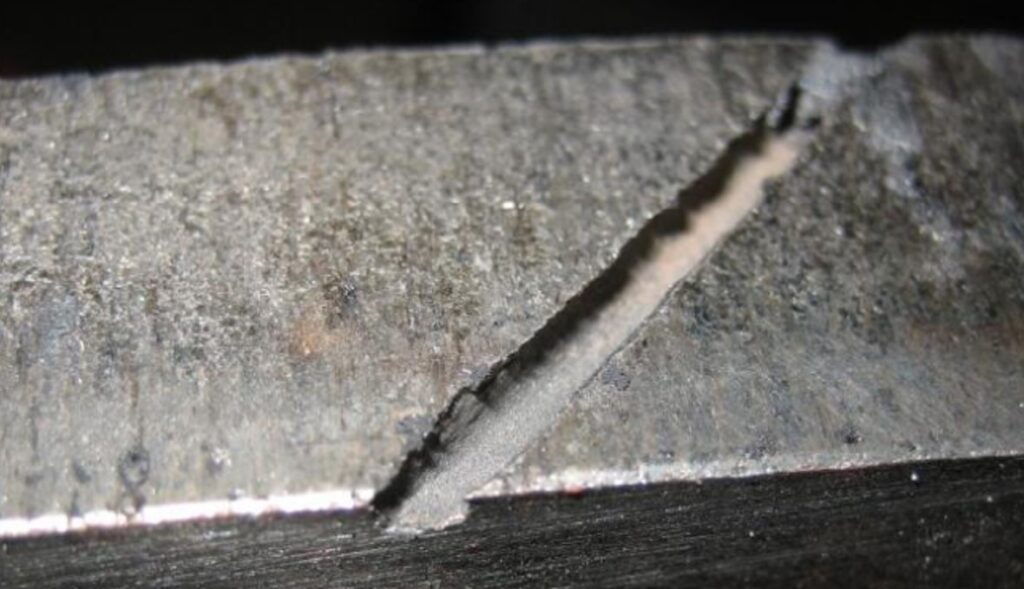
- Adhesive wear (scuffing) due to oil film breakdown
- Corrosive wear (cold corrosion) from sulphuric acid condensation
During low-load operation, the oil film residence time increases, which can raise the lubricant’s exposure to acid stress and insoluble contamination. This is why modern cylinder lubrication systems and condition monitoring are essential to maintain stable oil film performance and protect cylinder condition even when optimising oil consumption.
Feed rate optimisation and lubricant selection
To achieve efficient cylinder lubrication, the cylinder lubrication system needs to account for:
- Engine load and stroke length
- Fuel sulphur content
- Cylinder oil BN
- Piston ring configuration and coating
Modern systems aim for fresh injections of cylinder oil each stroke, precise dosing, and atomised delivery to improve oil film stability. HJ Lubricators’ SIP (Swirl Injection Principle) ensures better coverage at the cylinder top, where scuffing risks are highest due to extreme pressure and temperature, leading to potential breakdown of the hydrodynamic oil film.
Recent trials show that feed rates as low as 0.3 g/kWh can be achieved when using optimised systems, without compromising wear protection, a significant improvement over the conventional 0.6–1.2 g/kWh range.

Advanced Lubrication Technologies
Three generations of cylinder lubrication have evolved:
| Generation | Key Features | Limitation |
|---|---|---|
| 1st Gen | Mechanical lubricators with drop-based dosing | No load feedback, poor atomisation |
| 2nd Gen | Electronically controlled injection with improved timing and dosage control. Most commercial systems operate intermittently, injecting oil only every few strokes. However, HJ Lubtronic 2.0 is a notable exception, delivering oil every engine revolution with stepless stroke adjustment, ensuring a continuously refreshed oil film. Compared to traditional intermittent systems, Lubtronic 2.0 offers superior oil film stability, reduced additive build-up, and better protection under low-load conditions. | Better control, but still oil-free strokes |
| 3rd Gen (e.g. HJ Smartlube 4.0) | Real-time dosing Multi-timing Common rail solenoids Automatic Cleaning Sequence algorithm | |
| 4rd Gen (Smartlube 4.0 with Smartlink) | Integrated lubrication and condition monitoring systems Full Ethernet-based control and feedback Advanced control algorithms for dynamic optimisation Real-time monitoring, logging, and diagnostics Supports feed rate reduction, automatic cleaning sequences, and predictive maintenance |
HJ Smartlube 4.0 integrates pressure feedback, Ethernet-based control, and multi-timing capability, allowing injection both above and between piston rings. This provides excellent deposit control and protection under variable load.
Monitoring and Condition Management
Lubrication performance must be verified continually through:
- Drain oil analysis (BN, Fe, cat fines)
- Scavenge port inspections
- Main engine performance data
- Real-time feed logging via systems like Smartlink
Combining these insights allows fine-tuning of lubrication to actual cylinder condition not just engine load or hours.
Optional insights:
- Cylinder liner measurements
Conclusion
Modern marine engines require flexible and intelligent lubrication systems to ensure reliable performance and regulatory compliance. By combining advanced dosing technologies with real-time condition monitoring, operators can reduce oil consumption, extend component life, and prevent critical failures like scuffing and blow-by.
HJ Lubricators offers fully integrated lubrication solutions, enabling feed rate optimisation, automatic cleaning sequence, and real-time insights. These are essential tools for modern marine operators navigating the challenges of decarbonisation, fuel variability, and operational efficiency.
About HJ Lubricators
HJ Lubricators is a specialist in cylinder lubrication and condition monitoring systems for two-stroke marine engines. With more than 3,500 installations worldwide, we support shipowners and yards in optimising lubrication performance through innovation, service, and advisory.