HJ Lubricators
Improve cylinder condition: How much cylinder wear is acceptable?
Cylinder condition is a critical factor that affects the performance and longevity of marine engines. Proper lubrication is essential to ensure optimal cylinder condition and prevent wear and damage. But exactly how much cylinder wear is acceptable – and how can you stay within safe limits? In this blog post, you can learn more about the importance of cylinder condition monitoring and how much cylinder wear is acceptable.
Cylinder condition monitoring
Cylinder condition monitoring involves regular inspections of the cylinder liners, piston rings, and other components to assess their condition and identify potential issues. This can help prevent major failures and prolong engine life. There are various methods for cylinder condition monitoring, including visual inspections, wear measurements, and oil analysis.
Modern cylinder condition monitoring also includes the use of digital tools that provide real-time data on key parameters such as lubrication feed rate, oil quality, and temperature fluctuations. At HJ Lubricators, we offer the HJ Smartlink. A system which enables ship operators and superintendents to detect early signs of liner wear, cold corrosion, or scuffing — long before performance issues arise. Combined with smart lubrication systems, this allows for predictive maintenance and optimised cylinder performance.
The role of lubrication in improving cylinder condition
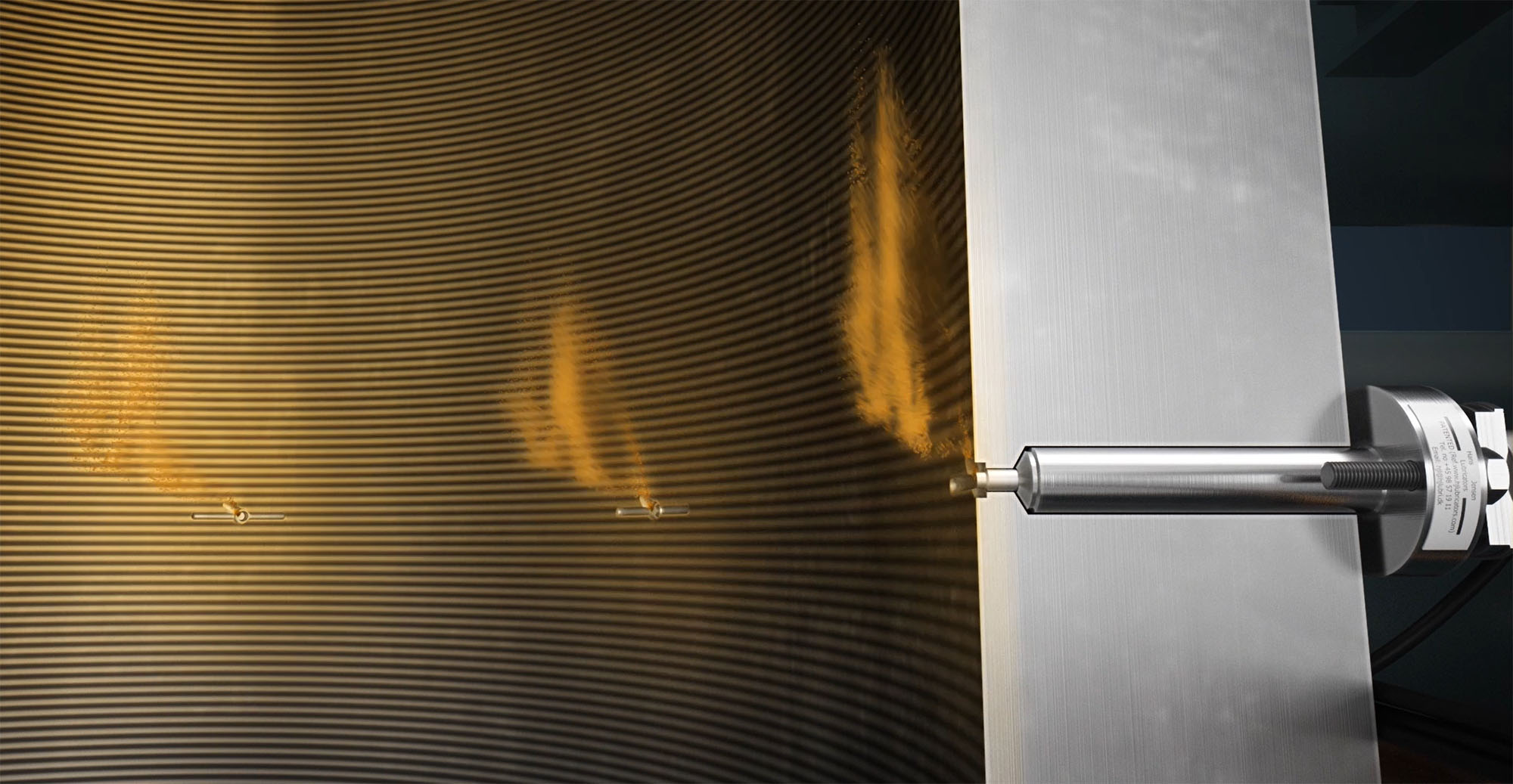
Efficient cylinder lubrication reduces the friction between the piston rings and the liner which preserves fuel. More importantly, it helps keep liner wear within acceptable limits by protecting metal surfaces and minimising thermal stress. This also minimises the wear inside the cylinder which extends TBO. Then there is the distribution of the lubricant inside the cylinder, which is important, because it helps neutralise acids forming during combustion. Furthermore proper lubrication cleans the cylinder from deposits and maintains a gas tight seal for better engine efficiency.
For more information, please go to Services
Electronically controlled lubrication improves cylinder condition
Our electronic lubrication system improves cylinder condition by ensuring consistent and precise lubrication in every piston stroke. These systems can deliver the right amount of lubricant to the right place at the right time, reducing the risk of over- or under-lubrication. This is especially important for maintaining acceptable cylinder wear rates, strengthening liner condition, and helping to prolong engine life while reducing maintenance costs.
How much cylinder wear is acceptable?
So, how much cylinder wear is acceptable in a two-stroke marine engine? The amount of cylinder wear that is acceptable depends on several factors, including:
- Engine type
- Operating conditions
- Maintenance practices
Generally, a liner wear rate between 0.05–0.1 mm per 1,000 running hours is considered acceptable for most marine engines. However, some engines may have tighter tolerances, and a lower wear rate may be necessary to maintain optimal performance.
Staying within the acceptable cylinder wear range is essential to avoid reduced compression, higher oil consumption, and faster piston ring wear. It is critical to regularly measure liner wear using calibrated tools and compare results with OEM specifications. If wear exceeds limits, it may lead to reduced compression, increased oil consumption, and accelerated wear of piston rings.
Monitoring wear trends over time provides early warnings. If wear rates rise suddenly, it may indicate issues with combustion, lubrication efficiency, or fuel contamination. Preventing excessive wear not only supports compliance with OEM specifications, but also improves fuel economy, reduces emissions, and enhances operational stability.
CASE: Learn about how HAFNIA tripled liner lifetime
HJ Lubricators’ patented solutions
We are committed to delivering innovative and effective solutions to our clients. That’s why we have developed patented lubrication systems that significantly improve your cylinder condition, engine performance and efficiency. Our solutions are based on 100 years of research and development, and they have been tested and proven in real-world applications.
Our patented systems convert RPM-dependent to load-dependent cylinder lubrication and a two-stroke engine lubrication system that can help reduce emissions and lube oil consumption. By keeping cylinder wear within acceptable limits, our clients can benefit from improved cylinder condition, enhanced engine performance, and reduced maintenance costs. We offer cylinder wear rate calculations, and our service team is ready to help you and answer questions you might have.
Frequently Asked Questions
What is cylinder condition monitoring?
Cylinder condition monitoring involves the regular assessment of engine cylinder components to detect wear, corrosion, and other anomalies, ensuring timely maintenance and optimal engine performance.
How can I monitor the cylinder condition effectively?
Effective monitoring can be achieved through periodic oil analysis, visual inspections, and utilizing digital monitoring tools, such as the HJ Smartlink which provide real-time data on cylinder performance.
What are the signs of unacceptable cylinder wear?
Indicators include increased oil consumption, reduced engine efficiency, presence of metal particles in oil samples, and abnormal engine vibrations or noises.
How much cylinder wear is acceptable in marine engines?
A liner wear rate of 0.05–0.1 mm per 1,000 hours is the general standard, but engine type and load conditions can influence acceptable thresholds.